 Select Language
 English
Polystyrene Hot Melting Machine: Simple Operation, Less Labor, and Smarter EPS Recycling
Expanded polystyrene (EPS) is one of the most common packaging materials in modern logistics, yet it is also one of the most inconvenient wastes to manage. EPS is light, messy, and takes up enormous space in bins and warehouses. Even when companies want to recycle it, transportation can be inefficient because trucks end up carrying mostly air. This is where a Polystyrene hot melting machine becomes a practical solution. By using controlled heat to melt EPS and form it into dense blocks, the machine turns a bulky, low-density waste stream into material that is easier to store, move, and reuse.
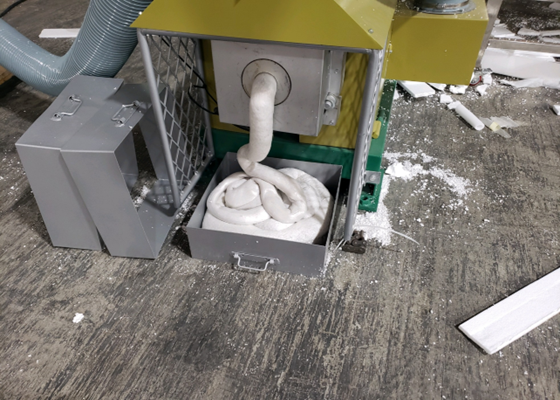
A key reason many facilities choose a Polystyrene hot melting machine is that the operation is straightforward. In everyday recycling, complicated steps create bottlenecks—especially when staff rotate frequently or when waste handling must happen alongside core production work. With a hot melting system, the workflow is typically continuous: operators feed foam into the inlet, the machine melts and compresses it internally, and dense output is produced in a stable form. Because the process is consistent, workers do not need advanced technical skills to keep it running smoothly. Once the temperature and feeding rhythm are set, daily operation becomes routine, and the chance of errors is reduced.
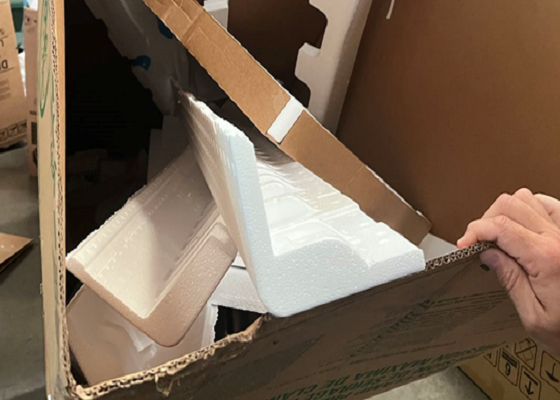
Simplicity directly translates into labor savings. Handling loose EPS normally involves repeated manual steps—breaking large pieces, bagging, tying, moving oversized sacks, and constantly clearing storage areas. A Polystyrene hot melting machine replaces many of those tasks with a single processing point. Staff can feed material as it arrives, instead of stacking foam and organizing special cleanup days. The result is less time spent on waste handling, fewer labor hours dedicated to moving air-filled bags, and a cleaner work environment because foam is processed before it spreads through the facility.
A practical GREENMAX case shows how these benefits work in real operations. A mid-sized distribution and cold-chain packaging site was receiving large quantities of EPS boxes and protective inserts. The foam was clean, but it accumulated quickly and created daily headaches: storage space disappeared, forklifts had to navigate around piles, and labor costs rose because staff were constantly consolidating material. The site installed a GREENMAX Polystyrene hot melting machine to reduce volume on-site and make recycling manageable without adding more headcount. After setup and basic training, operators were able to run the machine as part of routine warehouse work. Instead of dedicating multiple workers to break down foam and manage overflowing bins, one operator could feed EPS at intervals while continuing other tasks. The output was a dense, uniform block that was easy to stack and ship, allowing the facility to schedule pickups less frequently and with more efficient loads.
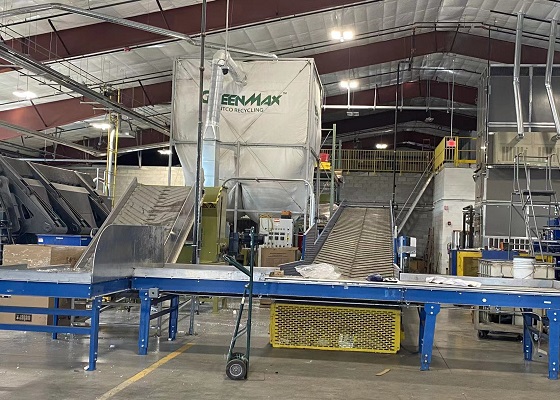
Over time, the company found that the biggest value was not only the dramatic volume reduction, but also the operational consistency. The Polystyrene hot melting machine made recycling predictable: foam came in, compact output went out, and the warehouse stayed organized. By simplifying the process and reducing manual handling, the facility improved productivity and lowered the “hidden costs” of EPS waste management.
For businesses dealing with ongoing EPS waste, a Polystyrene hot melting machine is more than a recycling tool—it is a labor-saving system that makes foam recycling easier to run every day. When operation is simple and output is dense and stable, recycling becomes a practical part of workflow rather than an ongoing burden.